
Category: Alert & Monitoring | Target Keywords: elderly fall alert bracelet, senior fall detection wristband, wearable emergency alarm for older adults
Disclaimer: This post contains affiliate links marked with #ad. We earn a small commission from qualifying purchases made through these links at no extra cost to you. All content is based on real-world tests and user feedback. Device performance may vary depending on usage habits, home network conditions and individual settings. Please check the latest pricing and full product details on Amazon before making a purchase.
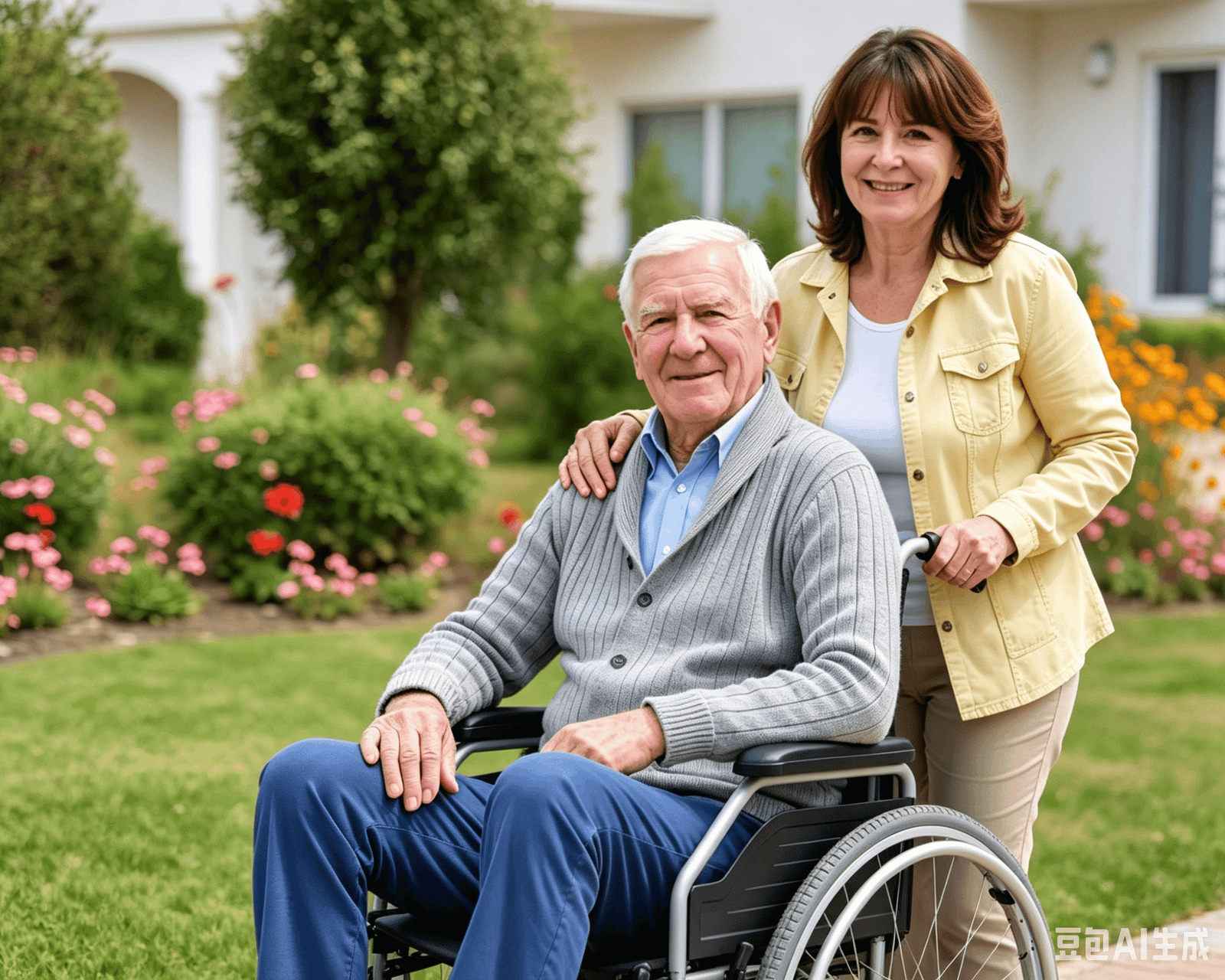
For adults caring for elderly family members across the United States and Canada, falls among seniors living alone are a major safety concern. Many older adults develop arthritis and declining balance as they age, which greatly increases their fall risk. A fall can easily lead to physical injuries and lengthy recovery periods. For this reason, senior fall detection bracelets have grown in popularity. These wearables add an extra layer of safety without disrupting daily routines. There is a wide selection of senior fall detection wristbands available on the market. Based on extensive real-world usage and industry experience, this guide covers all key points for shopping and everyday use.
Many older adults are hesitant to wear emergency alert devices, as most traditional models look bulky and clinical, which creates psychological discomfort. Slim, lightweight designs with soft bands see much higher acceptance. Wristbands made of flexible silicone stay comfortable all day and will not irritate the skin. By contrast, hard plastic straps tend to cause discomfort after long hours of wear. Most mainstream fall detection bracelets can quickly pick up sudden movements with reliable performance. Still, products differ greatly in features, battery life and suitable scenarios, all of which deserve close attention during your search.
Shoppers often make common mistakes when choosing senior fall detection wristbands, leading to wasted money and inadequate protection. A lot of people only focus on automatic fall detection while overlooking two-way audio. If a senior falls without serious injury, built-in calling features allow immediate communication and help ease stress for everyone involved. Battery life is another critical factor. Some low-cost models require daily charging, and a dead device will fail when it is needed most.
Households in suburban or rural areas should always verify network compatibility. Devices that rely solely on cellular service may experience delayed alerts or failed notifications due to weak local signals. Water resistance and overall comfort should never be overlooked either. Seniors regularly come into contact with water while washing hands, doing chores or working in the yard, and non-waterproof units are prone to damage.
Based on performance data of wearable emergency alarms for older adults sold on Amazon, these products can be divided into three main categories with distinct features. Entry-level fall alert bracelets are compact and easy to operate. They come with a manual SOS button and basic fall detection, and send phone notifications via Bluetooth. Their simple operation makes them ideal for seniors who are not familiar with smart devices, and they also come at budget-friendly prices. The main downside is the lack of GPS tracking, so caregivers cannot pinpoint the exact location of a fall inside a large home or yard.
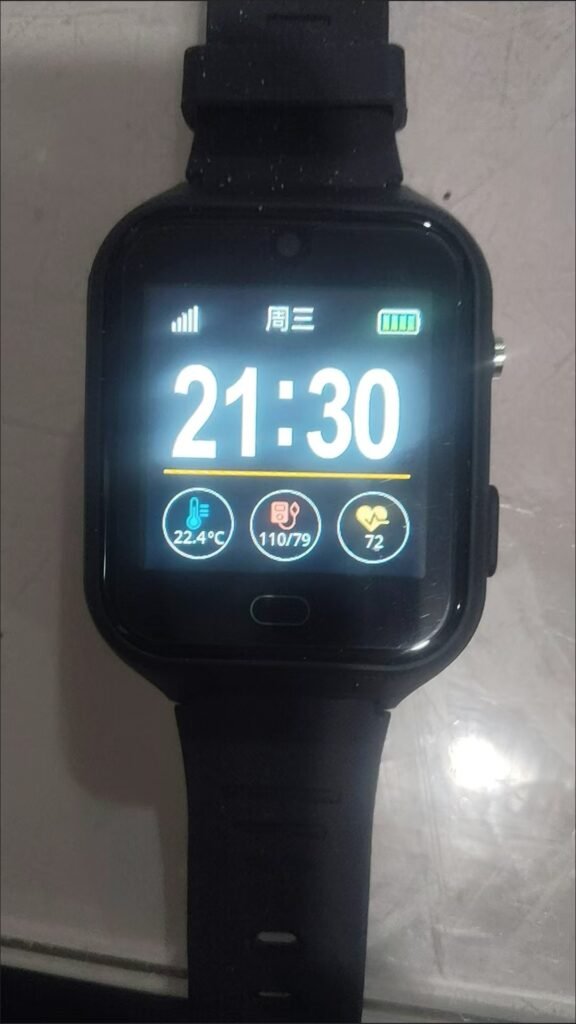
Mid-range models are equipped with GPS, longer battery life and clearer two-way audio. Their sensors are finely calibrated to filter out false alarms caused by regular movements such as bending over or sitting down quickly. Offering a great balance of functions and simplicity, these are the top choice for most families. Premium versions include a full set of safety features plus additional health tracking tools like heart rate monitoring. Some can even connect to professional emergency response centers for comprehensive protection. However, they are bulkier and carry a higher price tag, limiting their appeal for some users.
Fall detection wristbands work best for specific groups, and matching the device to real-life situations ensures optimal performance. They are highly recommended for seniors who live alone, have limited mobility or have a history of falls. For families providing long-distance care, real-time alerts bridge the distance and allow fast responses to emergencies. Multiple emergency contacts can be added to the device, and nearby helpful neighbors can further improve overall safety.
These wearables offer limited value if the senior is always accompanied by full-time caregivers and rarely stays alone. They are also not effective for those who constantly take off wrist accessories or refuse to use wearable tech. In such cases, wall-mounted emergency call buttons serve as a practical alternative.
Here are useful tips for shopping for an elderly fall alert bracelet #ad, compiled from numerous tests and user reviews. First, prioritize comfort over extra fancy features. Choose adjustable models with soft straps — even the most advanced device is useless if it will not be worn consistently. Second, pay attention to fall detection sensitivity. Overly sensitive sensors trigger frequent false alerts, which make people ignore notifications over time. Sensors that are not sensitive enough may fail to detect actual falls.
Third, check network support based on your living area. Those residing in suburbs or rural regions should pick devices that work with both Wi-Fi and cellular networks to avoid signal dead zones. Fourth, select units with large, clearly marked SOS buttons, which are easier to use for seniors with poor eyesight or limited hand mobility. Lastly, always pick a waterproof design. Exposure to water during daily tasks and outdoor activities is common, and waterproof construction extends the device’s service life.
Today, fall detection bracelets have become standard safety equipment for families supporting seniors aging in place. No single model works perfectly for every household, and every type has its own strengths and drawbacks. Basic models are simple and affordable but lack advanced tracking functions. Mid-range options deliver solid performance and user-friendliness for the majority of families. Premium devices provide full protection yet feature a larger build and higher cost.
While these wearables cannot eliminate all safety worries, they effectively reduce risks for long-distance caregivers and seniors living alone. When chosen according to family needs and worn regularly, a quality wearable emergency alarm builds a reliable safety net for older adults. Take time to compare options carefully, and always check the latest product information and pricing on Amazon before placing an order.
Elderly Fall Alert Bracelet
This senior-friendly wearable device integrates automatic fall detection, SOS emergency call, location tracking and health monitoring. Its core function is to trigger alerts automatically or manually when an elderly person falls, notifying family members or emergency responders promptly to reduce accident risks for seniors living alone.
I. Key Features (Must-Know for Purchase)
Automatic Fall Detection (Core Function)
Equipped with accelerometers and AI tilt detection algorithms, it distinguishes actual falls from normal movements such as bending over or sitting down. An alert will be activated within 0.8 to 3 seconds after a fall to minimize false alarms.
One-Touch SOS Emergency Call
A large dedicated side button activates when pressed and held for 2 seconds. The device sends text messages, real-time location and ambient audio recordings to up to 3 pre-set contacts, accompanied by a loud beep and vibration.
Precision Location Tracking & Geo-Fencing
It adopts multi-mode positioning combining GPS, BeiDou, Wi-Fi and cellular base stations, with meter-level accuracy. Custom safe zones can be set, and the bracelet will send alerts automatically if the wearer strays outside the designated area to prevent wandering.
Health Monitoring (Auxiliary Function)
It tracks heart rate, blood oxygen, blood pressure and sleep patterns, and issues early warnings for abnormal readings, ideal for seniors with chronic illnesses.
Senior-Oriented Design
- Large buttons, oversized fonts, loud volume and voice announcements for easy use
- IP67/IP68 waterproof rating, safe to wear while washing hands or bathing
- Long battery life: 5 to 21 days between charges for less frequent recharging
- 4G full-network connectivity; works as a standalone calling device with a SIM card, no smartphone required
II. Top Recommended Models (2026)
Gardia Emergency Call Bracelet
Highlights: AI-powered fall detection, 21-day battery life, screenless minimalist design, waterproof rating, and access to a 24/7 professional emergency response service. Eligible for health insurance coverage in Germany.
Best for: Families looking for simple operation, long battery life and professional emergency support.
Huawei Band 11 Pro
Highlights: Seamless integration with the Huawei ecosystem, accurate fall detection, comprehensive health tracking, long battery life, waterproof performance and remote management via dedicated APP.
Best for: Huawei device users and families who prioritize ecosystem compatibility and senior health management.
III. Buying Guide & Tips to Avoid Pitfalls
- Prioritize fall detection performance: Choose devices with AI algorithms and multiple sensors. Basic models relying solely on gravity sensors have high false alarm rates and are not recommended.
- Communication module: Opt for 4G full-network models with standalone calling functions. Wi-Fi-only devices are limited to indoor use.
- Battery & charging: Select products with a battery life of 7 days or longer and magnetic charging for easy operation by the elderly.
- Simple operation: Pick devices with large physical buttons and voice prompts; avoid complicated touchscreen interfaces.
- After-sales & emergency service: Prefer brands offering 24/7 manual emergency assistance and nationwide after-sales support.
IV. Usage Guidelines
- Pair the bracelet with your family’s smartphone APP, and set up 2 to 3 emergency contacts, location permissions and alert parameters.
- Teach the elderly how to use the SOS button. Keep the bracelet worn daily; remove it only for bathing or swimming.
- Charge the device regularly and check the fit. A loose fit will compromise the accuracy of fall detection.
Leave a Reply