

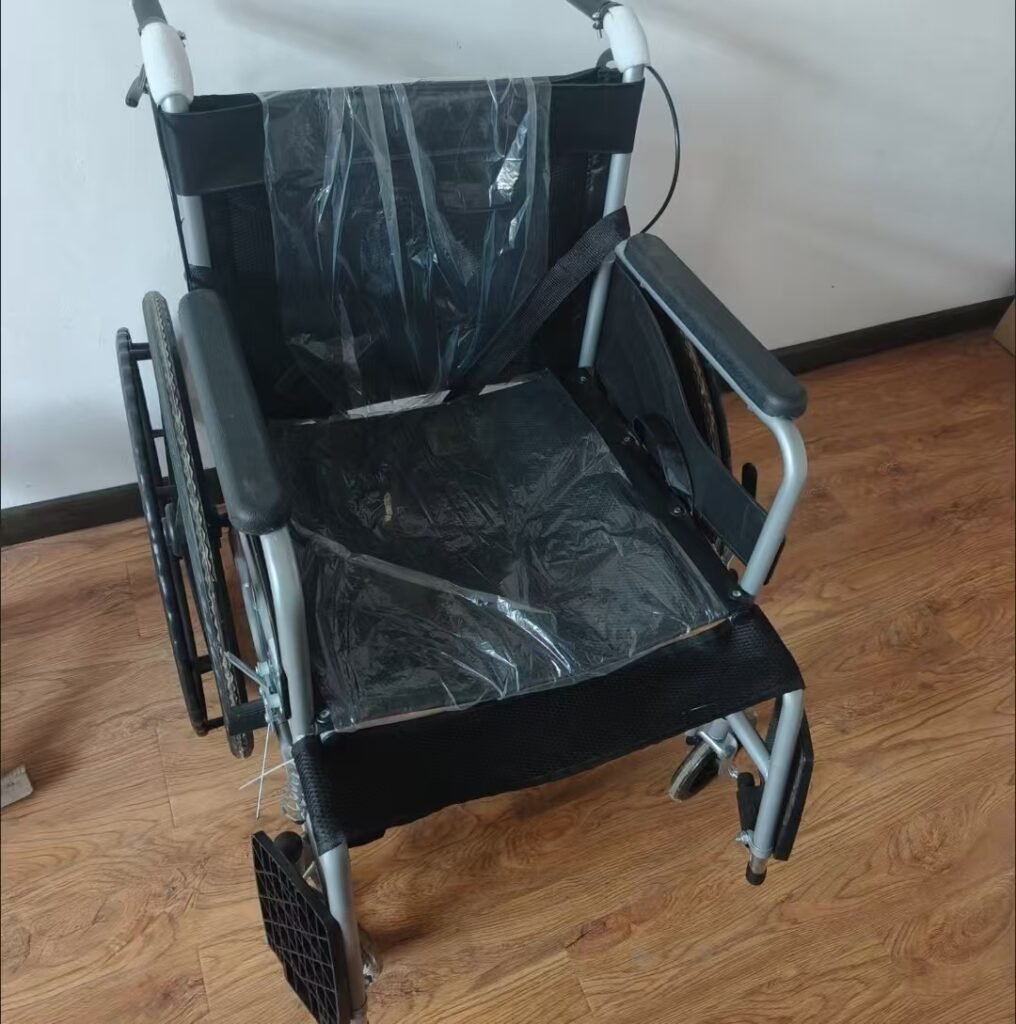
When aging parents struggle with stiff joints and limited leg strength, picking out a practical foldable manual wheelchair becomes a tough chore for adult children across Several of my close friends who care for senior family members shared frustrating shopping fails after buying poorly fitted mobility gear in past years. Some wheelchairs look compact on product photos but turn out too heavy for one caregiver to lift into a regular sedan trunk, while others feature tricky folding locks that waste precious minutes before quick grocery runs or routine doctor’s visits around local neighborhoods. I shopped around and tested five different wheelchair models and picked up lots of practical tips no generic product descriptions mention.
Disclosure: As an Amazon Associate I earn from qualifying purchases. Some links included in this post are affiliate #ad links, meaning I may receive small commissions with zero extra cost for buyers.
Lots of family caregivers fixate only on upfront cost while ignoring real-life usage scenarios. Budget-friendly foldable wheelchairs often come with thin, flimsy frames that wobble noticeably when rolled over uneven sidewalks or damp yard pavement after rain. These cheap options cannot handle frequent outdoor trips to neighborhood parks or nearby clinics, leaving many families stuck with unused wheelchairs stored in garage corners after a short trial. Size issues also catch shoppers off guard: many items labeled ultra-portable fold up into bulky shapes that won’t fit inside standard SUV or compact car trunks, cutting off seniors’ chances for casual day trips outside the house.
Total unit weight stands as one core detail for compact manual wheelchairs built for home and short-distance outdoor use. Models weighing around 26 lbs work best for most households, since average adult caretakers can fold and carry the chair alone without extra help. Detachable armrests and swing-away footrests add huge convenience when navigating narrow apartment doorframes or small residential elevators, a common pain point for older US townhome and apartment dwellers. Still, lightweight frames cut down on overall load capacity as a tradeoff; these slim-built wheelchairs aren’t ideal for plus-size seniors who rely on mobility aids every single day.
Wheel tire selection ties closely to daily surroundings too. Solid non-pneumatic small wheels roll smoothly over indoor hardwood and tile floors with zero flat tire risks, perfect for seniors staying mostly indoors. Thick shock-absorbing air-filled tires handle rough gravel paths and bumpy residential roads much better for frequent outdoor errands, easing uncomfortable jolts during long rides. On the downside, inflatable tires need regular air refills, which turns into a hassle for seniors living alone with no family nearby to maintain equipment regularly.
No single foldable manual wheelchair fits every aging user’s needs across the board. Compact lightweight versions make solid picks for seniors who rarely leave home besides occasional short walks downstairs. Wider, sturdier wheelchairs with enhanced suspension work better for elders heading to pharmacies, shopping malls or hospitals multiple times weekly.
If you plan to order a wheelchair online, I’d suggest checking real customer reviews before placing orders. You can check up-to-date pricing and stock status for available options on Amazon via affiliate links #ad, since platform discounts shift weekly throughout different shopping seasons.1. Core Pre-purchase Planning: Match Real Usage Scenarios
Confirm daily application first to avoid overbuying bulky or underpowered models:
- Indoor-only use (apartment, small home): Prioritize ultra-narrow folded size, small front casters for tight turns through doorways & narrow corridors
- Daily errand + hospital visit: Ultra-lightweight quick-fold design for car trunk storage, lightweight enough for one caregiver to lift
- Occasional long-distance travel (airplane, road trip): Under 30lbs (13.6kg) airline-approved foldable models with detachable footrests
- All-terrain daily outdoor: Larger rear wheels, shock-absorbing tires for uneven sidewalks, gravel roads and slight slopes
Body measurement tip: Measure user’s hip width, thigh length and leg height before ordering seat size; standard seat width ranges 14–20 inches (18in most popular for average seniors).
2. Key Specs: Weight, Frame Material & Folding Compactness
2.1 Overall Weight Split (Most critical for caregivers)
表格
| Category | Net Weight | Applicable Crowd |
|---|---|---|
| Ultra-light travel | ≤30 lbs (≤13.6kg) | Frequent travel, single caregiver lifting |
| Standard compact fold | 30–45 lbs (13.6–20kg) | Daily indoor+outdoor mixed use |
| Heavy-duty reinforced | >45 lbs | Plus-size users, higher load demand |
Distinguish total weight (full assembled chair) vs transport weight (after removing wheels/footrests); check folded L×W×H to fit your car trunk before checkout.
2.2 Frame Material Pros & Cons
- Aluminum Alloy (Top Pick for Seniors): Light, rust-proof, cost-effective, perfect for compact folding frames (8–12kg mainstream weight)
- Carbon Fiber: Ultra-light, strong shock absorption, premium price for frequent travelers
- Steel Frame: Low-cost, high load-bearing but heavy; not recommended for regular car loading
2.3 Folding Standard
Opt for one-step quick-fold (≤10s operation) with lock-in folded structure (prevents sudden spring open during trunk storage); fold-flat backrest drastically cuts storage height. Avoid multi-piece disassembly-only folding for seniors’ daily use.
3. Wheel & Tire Configuration (Indoor VS Outdoor)
Front Caster (universal 6–8 inch):
Solid PU casters for smooth indoor floor; slightly wider tread for outdoor anti-slip.
Rear Drive Wheel:
- 12–14 inch rear wheel (transport-focused): Ultra-compact folded size, caregiver-push only, ideal for mall/hospital short trips
- 18–24 inch rear wheel: Seniors with residual upper strength can self-propel short distances; better shock absorption outdoors
Tire Options:
- Solid flat-free rubber tire: Zero maintenance, no puncture risk (best for most elderly daily use)
- Pneumatic air tire: Superior cushion on bumpy roads, need regular inflation (for frequent outdoor walking)
4. Ergonomic Seat & Transfer Optimization (Prevent bedsores & falling)
- Seat & Backrest: Breathable mesh or high-density padded nylon; thick anti-decubitus cushion optional for long-time sitting seniors to reduce pressure sore risk
- Armrest design: Flip-back/detachable armrests, easy side transfer from bed/couch to wheelchair without arm blocking
- Footrest: Swing-away removable foot pedals (core feature); elevating leg rest optional for users with leg edema or post-surgery recovery
5. Mandatory Safety Features (Non-negotiable for limited-mobility seniors)
- Dual brake system: User hand lock brakes + attendant rear push brakes (critical for ramps, downhill parking lot pushing)
- Anti-tip rear casters: Prevent backward tipping when climbing curbs or leaning back suddenly
- Built-in safety lap belt: Fix torso position to avoid sliding forward during movement
- Kerb climber helper bar: Help caregivers roll over small curbs easily without lifting whole chair
6. 3 Main Compact Fold Manual Wheelchair Types for Elderly
- Ultra-light Transport Wheelchair (Top seller for family care) <25lbs, small rear wheels, fully caregiver-driven, ultra-compact fold into car trunk; perfect for doctor visits, short shopping trips
- Lightweight Self-propelling Fold Wheelchair 18–22 inch large rear wheels, users with partial arm strength can move independently indoors; balance of portability and autonomy
- Reclining Compact Fold Wheelchair Adjustable backrest (90°–160° recline), elevating leg support; for bedridden recovering seniors or users with spine discomfort, slightly heavier than standard models
7. Practical Optional Accessories Worth Buying
- Rear storage pouch: Hold medicine, water cup, tissue and daily small items
- Anti-slip foot strap: Fix feet to avoid sliding off pedals while moving
- Sun visor/rain cover: Outdoor outing protection for fragile elderly skin
- Wheelchair carry bag: Protect folded frame during air travel or closet storage
8. Final Quick Purchase Checklist Before Order
✅ Confirm folded dimension fits your car trunk / home closet space
✅ Verify weight capacity ≥ user’s actual body weight + 10% spare margin
✅ Check brake type includes both user lock & attendant push brake
✅ Confirm swing-away footrest + flip-up armrest for easy transfers
✅ Match tire type to main usage (indoor solid / outdoor pneumatic)
Frequently Asked Questions
Q1: Can compact fold wheelchairs take airplane flights?
A: Models under 30lbs with quick-detach wheels meet most airline cabin carry-on rules; confirm airline mobility aid policy before travel.
Q2: Is ultra-light chair less stable than heavy steel ones?
A: Qualified aluminum compact chairs with anti-tip wheels pass stability test; avoid no-brand super-cheap ultra-light frames with thin tubing.
Q3: What seat width to choose for overweight seniors?
A: Pick seat width +2 inches wider than user’s actual hip width for comfortable sitting without squeezing thighs.
Final Disclaimer: As an Amazon Associate I earn from qualifying purchases. This post contains affiliate #ad links. I may earn a small commission from qualifying purchases at no extra cost to you. All pros and cons listed are based on personal in-person testing, not professional purchasing advice. Product pricing and availability are subject to change per Amazon’s live listing.
Leave a Reply