
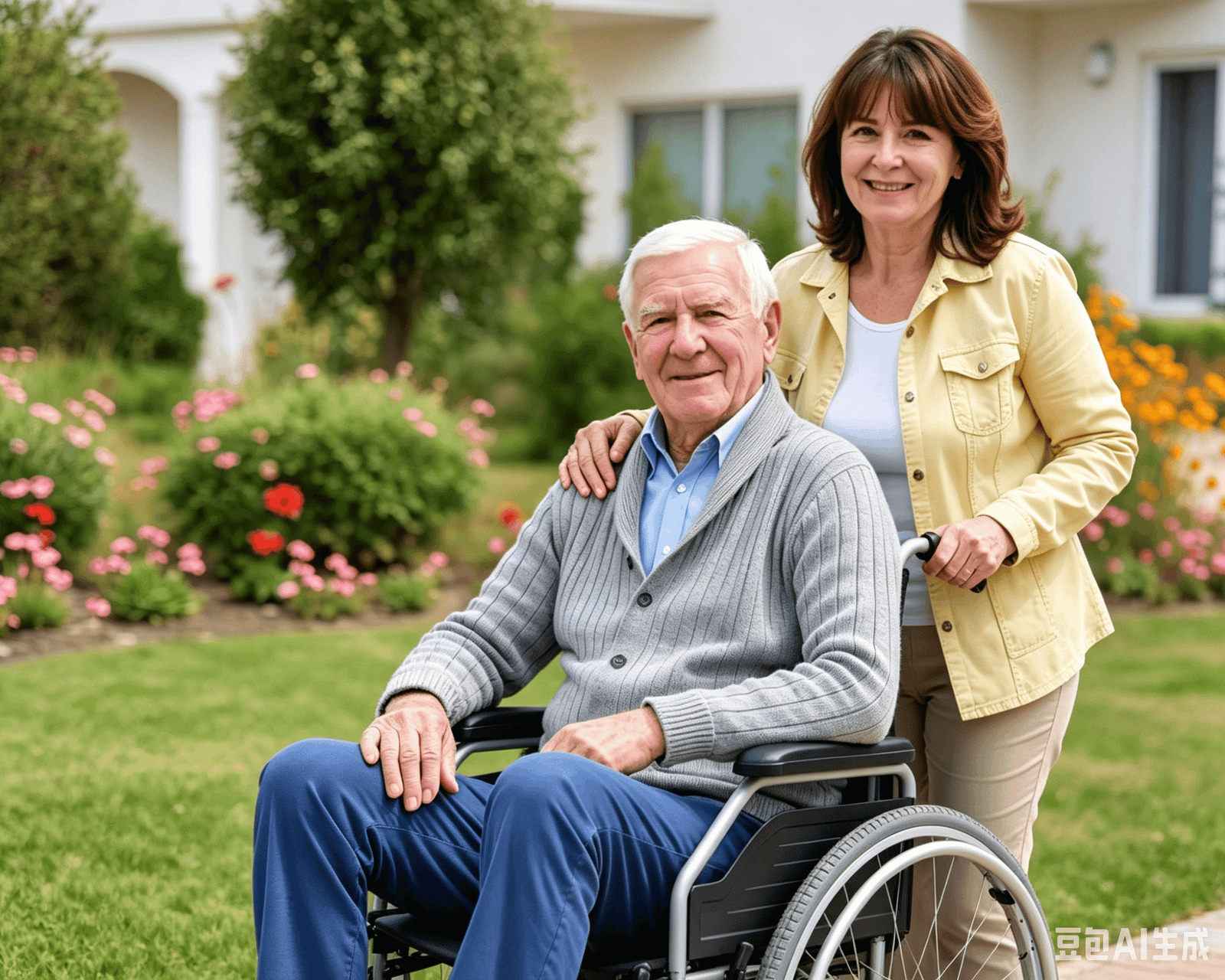
Honestly, I don’t talk about this lightly. Watching an aging family member struggle with memory lapses and the urge to wander is one of the toughest parts of caregiving. I’ve lived through those anxious hours myself, and I know so many of you reading this have too. One minute your parent or grandparent is pottering around the yard, and the next, you turn your head … and they’re gone. That cold rush of panic? It’s something I never want anyone to experience more than they have to. That’s exactly why a reliable GPS tracker for elderly wanderers isn’t just a fancy gadget. For so many households, it’s a small tool that brings huge relief day in and day out.
I’ve had friends ask me time and again if these trackers are really necessary. They say their loved one only steps out for short walks, or they keep a close eye most of the time. I get that mindset. No one wants to add another device to an older person’s daily routine unless it truly helps. But after years of caring for my dad and chatting with dozens of other caregivers, I can tell you: wandering doesn’t always follow a pattern. It can happen on quiet afternoons, late evenings, or even when you’re just busy cooking or running a quick errand. You can’t stay within arm’s reach every single second, no matter how hard you try.
H2: The Hidden Risks Behind Unsupervised Wandering
Most people only think about seniors getting lost in unfamiliar streets. That’s a real risk, sure, but there’s so much more to worry about when someone wanders off without a way to be located. Let me break this down from what I’ve seen and heard firsthand.
First, there’s simple confusion. A person with mild memory changes might leave the house aiming for the corner store they’ve visited for decades. Along the way, familiar landmarks start to feel strange. They lose their sense of direction fast. They might keep walking further and further away, too embarrassed or unsure how to ask for help. I know a neighbor whose mom wandered out early one morning. She walked several blocks away before a stranger noticed she looked disoriented. It took nearly two hours for the family to find her. Those two hours felt endless for everyone involved.
Weather is another big concern that a lot of folks overlook. On hot summer days, prolonged walking can leave seniors fatigued or overheated. Cold, rainy or snowy days bring slips, chills and general discomfort too. Without anyone knowing their location quickly, a simple walk can turn into an uncomfortable or stressful situation. Even short trips outside carry small, avoidable risks when there’s no way to check where they are.
Then there’s the worry for caregivers who don’t live in the same home. So many adult children work full-time, and their elderly parents live alone nearby. You call to check in, get no answer, and your mind starts racing. Are they okay? Did they step out and forget to take their phone? A basic cell phone isn’t a fix here, not really. I’ve seen so many seniors leave phones on kitchen counters, forget to charge them, or accidentally turn off location settings. Regular smartphones are designed for calls and messages, not steady, low-effort tracking for seniors who wander.
That constant, lingering worry wears on you over time. You stop fully relaxing, even during your own downtime. You check in more often than you need to, and it can create tension between you and your loved one too. A dedicated wearable GPS tracker for elderly users doesn’t erase all worry entirely, of course. Nothing can do that. But it does cut down that endless overthinking by a lot.
H2: Why a Specialized Elderly GPS Tracker Beats Other Options
Let’s talk about why you can’t just rely on old workarounds. I tried nearly every trick before settling on a proper tracking device, so I’m speaking from real trial and error here.
Some families hang name tags or contact numbers on clothing. That’s a decent backup, don’t get me wrong. But what if the tag falls off? What if the senior takes off their jacket or sweater while walking? What if they’re too confused to tell strangers their name or address? Those labels work best if someone stops to help, but they don’t let you actively find them on your own.
Others set up door alarms to alert people when someone leaves the house. Those alarms have their place for indoor safety, but they only tell you that the person left. They can’t tell you where they went, how far they’ve traveled, or if they’ve stopped moving somewhere unusual. Once they’re out the door, you’re still left guessing.
Regular smartwatches for general use? I tested a couple of those too. Many have cluttered screens, dozens of apps and complicated settings. Older users often struggle to navigate them. The battery dies quickly with constant location use, and again, one accidental tap can disable tracking features entirely. They’re built for fitness and daily tech use, not simple, long-lasting location monitoring for seniors who wander.
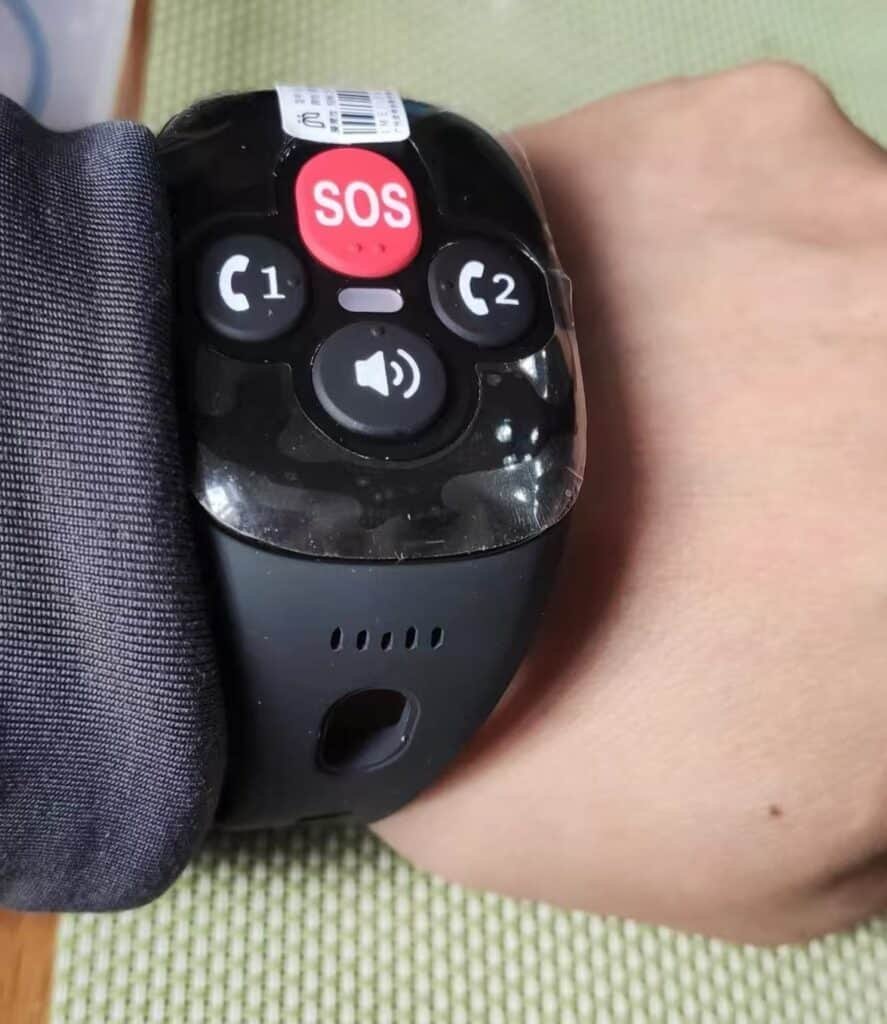
Here’s where purpose-built GPS tracking device for seniors stand out. They’re stripped down to the core functions people actually need. No confusing menus, no unnecessary apps crowding the screen. Most models have large, easy to press buttons and simple displays, so even someone who isn’t tech-savvy can use them without frustration.
Battery life is another major advantage. These devices are made to run for days, sometimes a full week or longer, on a single charge. You won’t find yourself rushing to plug them in every night like you do with a standard phone or smartwatch. That alone removes one huge daily hassle.
A lot of these trackers also come with quiet, wearable designs. Many look like regular wrist watches or simple pendants, not bulky medical gear. That matters more than you might realize. Older adults often resist wearing devices that make them feel singled out or unwell. A subtle design makes them far more willing to keep the tracker on throughout the day.
H2: Who Benefits Most From Using an Elderly GPS Tracker?
I want to be clear here — this tool isn’t just for people with advanced memory conditions. It works well for a wide range of families and situations.
If your aging parent lives alone while you work or run errands, this device adds an extra layer of reassurance. You can quickly pull up their location on your phone app whenever you feel concerned, no constant phone calls needed. For couples where one partner is the main caregiver, a tracker takes a little pressure off. The caregiver can step outside for a moment or focus on household tasks without staying glued to their loved one’s every move.
It’s also great for seniors who love taking daily walks around the neighborhood. Many older adults stay active by walking, and we never want to take that joy away from them. A GPS tracker lets them enjoy their independence, while you stay aware of their whereabouts. Independence and peace of mind don’t have to be opposites, and that’s the biggest win here.
I also want to mention the realistic downsides, because no product is without flaws, and I never want to paint an unrealistic picture. Some cheaper trackers can struggle with signal in dense neighborhoods or areas with lots of tall buildings. A few wearable styles can feel slightly bulky if worn for hours on end, so picking the right fit matters. Also, no tracker can work perfectly if the wearer repeatedly takes it off and leaves it behind. From my experience, talking gently and picking a style they like helps a ton with this common issue.
These aren’t dealbreakers for most people, though. With a little patience and careful shopping, you can find a model that fits your lifestyle. The small drawbacks are far outweighed by the safety benefits for most households dealing with wandering tendencies.
H2: Final Thoughts on Why This Tool Is Worth Considering
At the end of the day, caregiving is all about balance. We want our elders to keep their freedom and dignity for as long as possible. At the same time, we cannot ignore the real safety risks that come with unexpected wandering. That tight balance is hard to maintain without a little help.
An elderly GPS tracker for wandering isn’t about surveillance. It’s about looking out for someone you love. It’s about knowing you have a way to connect with their location fast if something feels off. It’s about letting both you and your family member breathe a little easier each day.
I don’t recommend rushing out to buy the first model you see. Take your time, check the design, battery life and comfort level first. Think about your loved one’s habits and preferences before making a choice. Small details like weight, style and ease of charging will make a huge difference in whether they actually wear it consistently.
Prices and availability are accurate as of publish date and subject to change.
As an Amazon Associate I earn from qualifying purchases. This post contains affiliate links, which means we may receive a small commission at no additional cost to you if you buy through our links.

Leave a Reply